
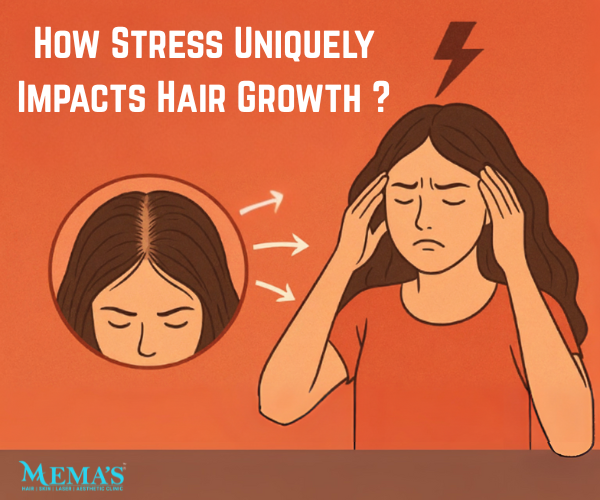
How Stress Uniquely Impacts Hair Growth?
Stress weaves a complex web, affecting not just your mind but also the vibrancy of your hair in unexpected ways. Exploring these unique connections can inspire proactive steps to nurture hair health.
The Hidden Mechanisms of Stress on Hair
Under stress, the body unleashes cortisol, a hormone that can subtly sabotage the hair growth cycle. Hair follicles dance through three phases: growth (anagen), transition (catagen), and resting (telogen). Intense stress can nudge follicles into the telogen phase prematurely, triggering telogen effluvium, where strands fall out in clumps, leading to noticeable thinning over weeks or months. In rarer cases, chronic stress may spark conditions like alopecia areata, where the immune system turns on hair follicles, creating patchy bald spots. Stress can also constrict blood vessels in the scalp, quietly starving follicles of oxygen and nutrients essential for lush growth.
Distinctive Stress-Induced Effects
Stress manifests in quirky, individual ways that can harm hair. Some may unconsciously twirl or tug at their locks, leading to traction alopecia, a form of hair loss from repetitive physical strain. Others might experience stress-driven quirks, like skipping meals or craving unusual foods, which can deplete critical nutrients such as zinc, iron, or biotin, leaving hair brittle or lackluster. Even disrupted sleep patterns, a hallmark of stress, can throw off the body’s repair processes, indirectly dulling hair’s vitality.
Nurturing Hair Through Stress
While managing stress won’t guarantee a full reversal of hair loss—we do not claim it as a cure—unique approaches can support overall wellness and potentially benefit hair. Try offbeat stress-busters like forest bathing, expressive art therapy, or slow-paced qigong to dial down cortisol. A nutrient-packed diet, brimming with colorful fruits, lean proteins, and omega-rich foods, can nourish follicles from within. For persistent hair loss, consult a doctor or dermatologist to uncover root causes and explore tailored options, such as topical treatments or stress-relief strategies. Always seek professional medical advice before starting any treatment to ensure it aligns with your unique health profile.
By embracing creative ways to manage stress, you may foster both inner calm and healthier, more resilient hair.